
Storm damage often means both visible and hidden problems: a damaged roof, a tree on the house, broken windows, and water that has already moved into attics, walls, and ceilings. Our team secures the property, removes debris, dries the water intrusion, and then repairs and rebuilds what the storm damaged.
Ashburn’s mature trees, fast-growing neighborhoods, and strong spring and summer thunderstorms mean wind and water damage are a regular risk. Summit handles the emergency work and the repairs under one roof, so you don’t have to coordinate separate cleanup and repair contractors.
Emergency response
A home’s age, roof, and surroundings all affect how a storm damages it and how repairs should be handled.
Established neighborhoods have large trees near roofs, fences, and power lines, which increases the risk of branches and trunks coming down in high winds.
Shingles, flashing, and gutters that are past their service life are more likely to fail in high winds and heavy rain.
Newer homes often have large roof areas, complex rooflines, and big windows, all of which can be vulnerable to wind, hail, and wind-driven rain.
Roof and exterior damage affects multiple units, and repairs often need to be coordinated with the HOA and neighbors.
Larger homes have more roof, siding, and window area exposed to the storm, and more places for water to get in.
Water that enters through a damaged roof often soaks insulation and ceilings before it’s visible from below.
Storm damage isn’t always obvious from the ground. After severe weather, check for these warning signs and schedule an inspection.
Lifted, cracked, or missing shingles leave your roof deck exposed to the next rainfall.
Brown or yellow stains after a storm usually mean water has entered through the roof or an exterior wall.
Cracked glass, damaged frames, or failed seals let wind and rain into the home.
Even if the damage looks minor, a tree strike can crack framing, roofing, and siding underneath.
Hail and wind impact can leave dents and gaps that allow water behind siding.
Insulation soaked by a roof leak holds moisture against the ceiling and can cause mold.
A damp smell after a storm often means hidden moisture inside walls, ceilings, or flooring.
We inspect the roof, exterior, and interior, and use moisture meters to find hidden water damage before it becomes a larger problem.
Northern Virginia’s weather can change quickly. Strong thunderstorms, high winds, hail, tropical remnants, and winter ice and snow all put roofs, trees, and exteriors under stress across Loudoun County.
Ice, heavy snow, and freeze-thaw cycles stress roofs and gutters
Remnants of tropical systems can bring strong winds and heavy rain
Remnants of tropical systems can bring sustained winds and heavy rain. Gutters clogged with leaves make it harder for water to drain, and weakened trees can come down.
Strong winds can strip shingles and siding, break windows, and send debris into the home.
Trees and heavy branches can puncture roofs, damage framing, and block driveways and access.
Hail can crack shingles, dent gutters and siding, and break skylights and windows.
Rain pushed sideways can get past flashing, window seals, and siding to enter wall cavities.
A damaged roof lets water into the attic and ceilings, where it can soak insulation and drywall.
Severe storms can scatter debris and cause damage that needs to be assessed and repaired safely.
Storm recovery follows six steps, each covering both the damage you can see and what is hidden behind it. Each step addresses both visible and hidden damage so the recovery is safe and complete.
After a storm, call as soon as it is safe. Our team is available 24/7 to answer, give you immediate safety guidance, and dispatch technicians to your property.
Typically takes
15 – 30 minutes
We inspect the roof, exterior, and interior for visible damage, and use moisture meters and thermal imaging to find hidden water intrusion in ceilings, walls, and attics.
Typically takes
45 – 90 minutes
We secure your property to stop further damage, including tarping, boarding openings, and clearing fallen debris so that cleanup and repairs can begin safely.
Typically takes
2 – 8 hours
If rain entered the home, we extract standing water and place drying equipment to dry ceilings, walls, insulation, and floors. We monitor moisture daily until the structure is fully dry.
Typically takes
3 – 5 days
We clean affected areas, remove damaged materials, apply antimicrobial treatment where moisture was present, and deodorize the property before repairs begin.
Typically takes
1 – 2 days (scope dependent)
Summit completes the repairs: roofing, siding, windows, drywall, insulation, flooring, and paint. We match existing finishes and coordinate with your insurance carrier along the way.
Typically takes
Days to weeks
Storm damage costs depend on what was damaged, how much water got in, and how much of the structure needs to be repaired or rebuilt. We provide a free on-site inspection and a detailed written scope before repairs begin, so you know what to expect.
Minor Storm Damage
Missing shingles, small roof or siding repairs, or minor water intrusion that is caught early.
Moderate Storm Damage
Roof sections, broken windows, or water intrusion affecting one or more rooms, with drying and repairs.
Major Storm Damage
A fallen tree, major roof or structural damage, or water damage across multiple areas of the home.
Many homeowners’ insurance policies cover sudden storm damage such as wind, hail, and fallen trees. Coverage depends on your policy and the cause of the loss, and some policies have separate deductibles for wind or hail.
Summit Restoration works directly with insurance carriers. We document the damage with photos and measurements, prepare a detailed estimate, and communicate with your adjuster to help keep the claim moving.
★★★★★
“Summit Restoration was fantastic! They responded very quickly to our water damage and did an outstanding job with the mitigation and cleanup. They were professional, thorough, and extremely helpful throughout the process. They also did a great job coordinating with our insurance adjuster, making a stressful situation much easier.”
★★★★★
“My house severely flooded and caused extensive damage. Summit was recommended to me by the water mitigation team and I am so appreciative. Ryan facilitated communication among many parties and always made sure I was kept up to date throughout the process.”
★★★★★
“Summit was great!! Would give six stars if I could. Had countertops replaced. Helped with material selection that provided quality at a good cost. Work was impeccable. Communication was awesome. Will be calling again and again for my projects.”
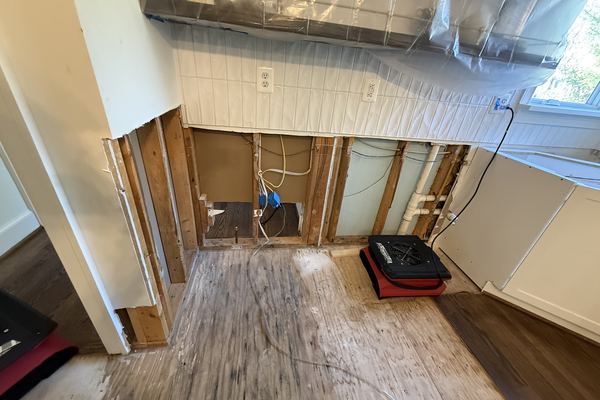

AFTER — restored
VS
Supply line failed overnight, saturating cabinetry and subfloor. Extracted, dried, and rebuilt to match existing finishes.
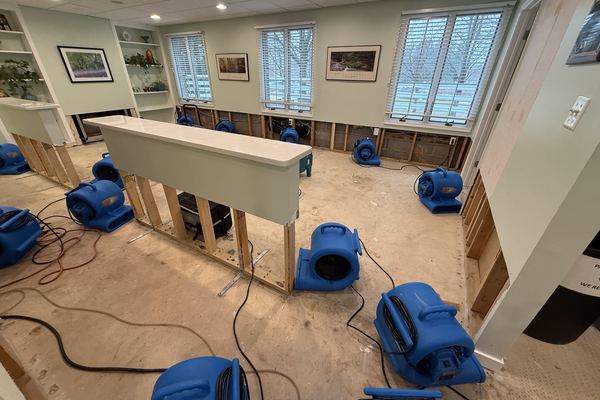
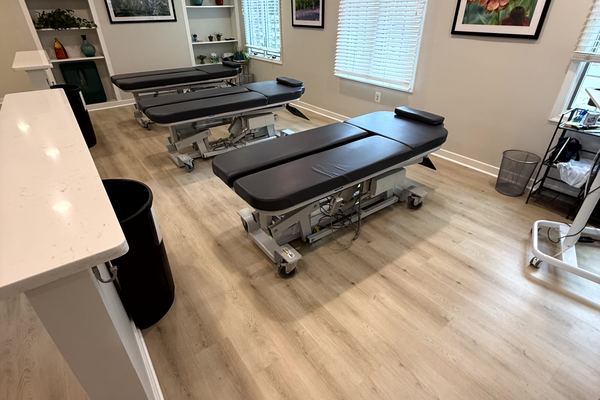
AFTER — dried & restored
VS
A storm pushed water into the lower level. We brought full extraction, structural drying, and antimicrobial treatment.
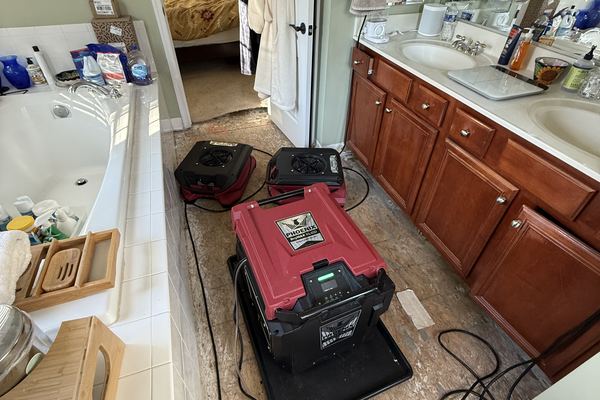

AFTER — removal
VS
Washing machine overflow soaked through to the floor below. Contained the ceiling, dried the cavity, and repainted.
Have questions about storm damage cleanup in Ashburn? Don’t see yours? Call any time, day or night.
Need immediate assistance? Call now for round-the-clock emergency help, or request a free estimate online.
We offer 24/7 emergency storm damage response throughout Ashburn and the surrounding Loudoun County communities. Our goal is to arrive as quickly as possible to secure the property and begin cleanup.
Make sure everyone is safe and avoid damaged areas, downed power lines, and standing water. Take photos if it’s safe, then contact a professional restoration team as soon as possible to prevent further damage.
Yes. Storms can lead to hidden structural damage and water intrusion inside ceilings, walls, and attics. A full inspection with moisture meters and thermal imaging helps find all affected areas.
We handle debris removal as part of the cleanup so the property is ready for repairs. For large trees, we coordinate to make the property safe and begin repairs on the damaged structure.
Often, yes. Many policies cover wind, hail, and fallen-tree damage, although coverage and deductibles vary by policy. We document the damage and work directly with your insurance provider.
As soon as possible. Water that gets in through a damaged roof can soak insulation and drywall and lead to mold in 24–48 hours. Emergency securing comes first, then full repairs.
Yes. Summit is a Virginia Class A licensed contractor, so the same team handles cleanup, drying, and full repairs and reconstruction.
Storm damage often involves more than one problem, such as water intrusion, mold, and structural repairs. Summit Restoration provides complete restoration services throughout Ashburn and Loudoun County, from emergency response to the final rebuild.
Practical advice from our restoration team on what to do, what to expect, and how to protect your home.
See how storm risk compares by county and what it means for homeowners.
What happens in the first hour after an emergency, and how to vet a company before you need one.
What to do in the first hour to protect your home and your health.